On this page
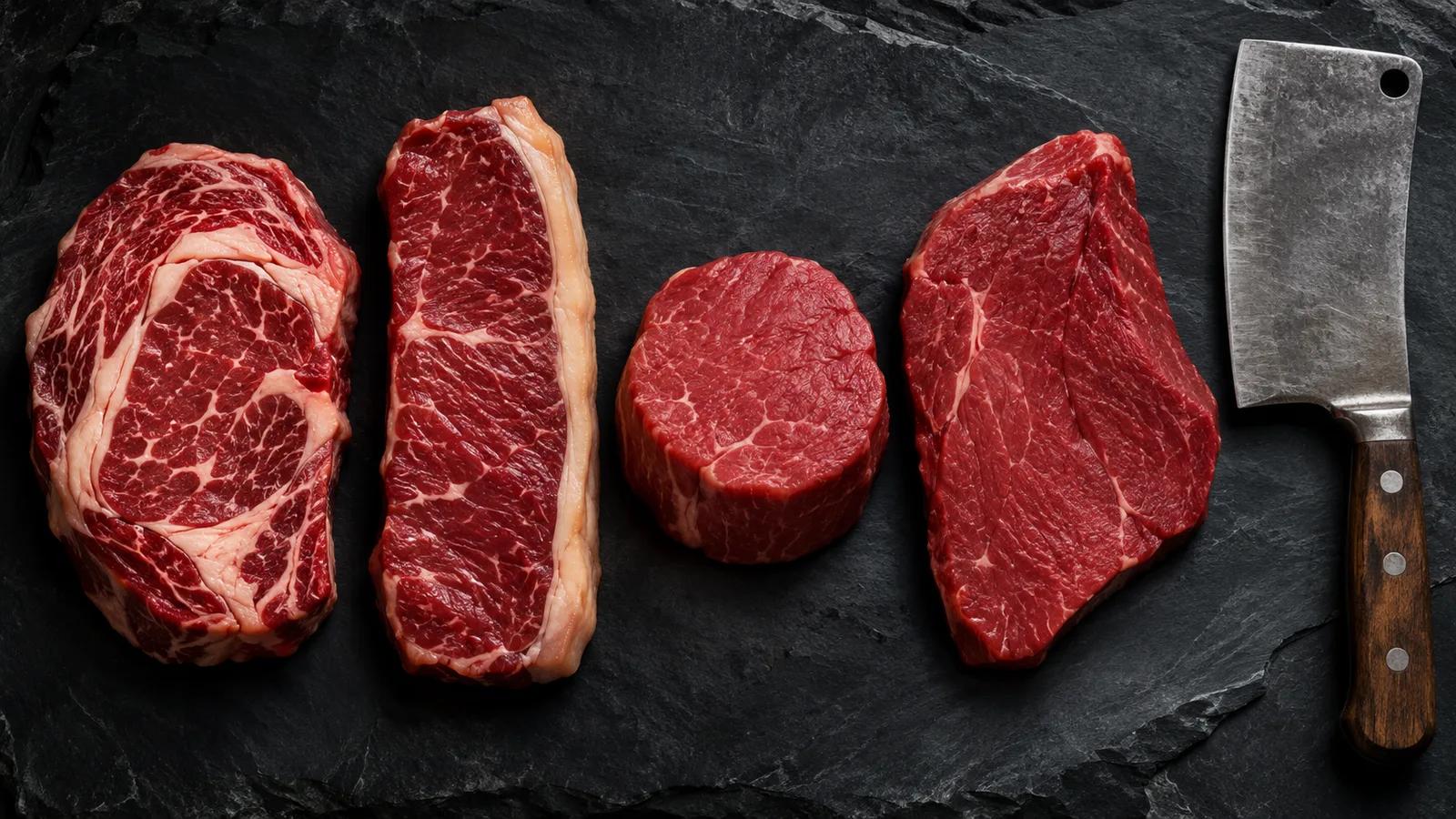
Sirloin is the steak that rewards a hot pan and a bit of attention. It is cut from the loin, the long muscle that runs along the cow's back behind the ribs, so it is tender without being soft, with a firm, clean bite and plenty of beef flavour. Most of its fat sits in one strip down the side rather than running through the meat, which makes it leaner than ribeye. That is why sirloin cooks a little differently: you have to deal with the fat strip properly, and you have to stop before it goes past medium.
Before you start
- Take the chill off. Get the steak out of the fridge 20 to 30 minutes before cooking. It will not reach room temperature, and does not need to, but a fridge-cold centre makes the outside overcook while you wait for the middle.
- Dry it. Pat the surface completely dry with kitchen paper. A wet steak steams; a dry one browns.
- Snip the fat. Under the fat strip is a thin layer of connective tissue that tightens in the heat and makes the steak curl up like a boat. Cut through the fat at 2 to 3cm intervals, just down to the meat, and it will lie flat.
- Salt it. Salt generously just before it goes in the pan, or at least 45 minutes ahead, uncovered in the fridge. Anything in between, from a few minutes to about half an hour, is the window to avoid: the salt has drawn moisture to the surface but not yet soaked back in, so the steak goes into the pan wet. Pepper can go on before or after.
How to cook sirloin steak in a pan
A heavy pan gives you the most control and the most reliable crust.
- Heat the pan hard. Cast iron or a thick stainless steel pan, over your highest heat, until it is just smoking. Add a thin film of rapeseed, groundnut or sunflower oil. Extra virgin olive oil burns at this heat.
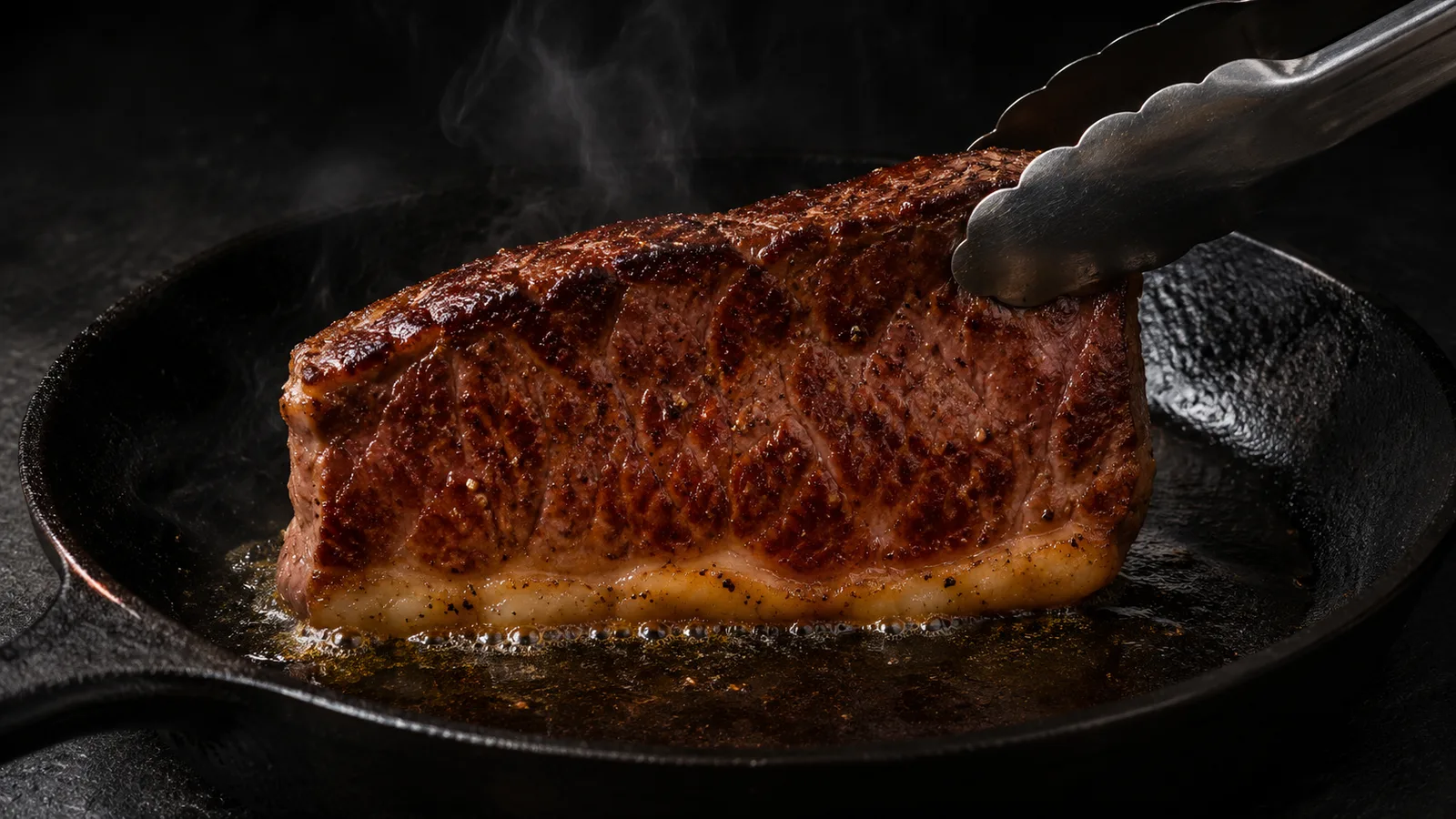
- Render the fat strip first. Pick the steak up with tongs and stand it on its fat edge for 1 to 2 minutes, until the fat is golden and has melted into the pan. Most people skip this, and it is the difference between chewy white fat and crisp, beefy fat. It also gives you beef dripping to sear in.
- Sear the faces. Lay it down flat, away from you, so any spitting fat goes the other way. Leave it alone for the time in the table below, then turn it once. If you prefer, turn it every 30 to 60 seconds instead: the total time is about the same and the steak cooks a little more evenly.
- Baste, if you like. In the last minute, drop the heat to medium and add a knob of butter, a crushed garlic clove and a sprig of thyme or rosemary. Tilt the pan and spoon the foaming butter over the steak.
- Check the centre. Push a probe thermometer in from the side, into the thickest part. Take it off a few degrees short of your target.
- Rest it. See below. Do not skip this.
Do not crowd the pan. Two sirloins in a 28cm pan is the limit; any more and the temperature drops and the meat stews.
Sirloin steak cooking times
Our sirloins are hand-cut at 250 to 300g, which is usually about 2 to 3cm thick. Times are per side in a smoking-hot pan, after rendering the fat, for a steak that has been out of the fridge for 20 to 30 minutes.
| Thickness | Rare | Medium-rare | Medium | Medium-well | Well done |
|---|---|---|---|---|---|
| 2cm | 1½ min | 2 min | 2½ min | 3 min | 4 min |
| 2.5cm | 2 min | 2½–3 min | 3½ min | 4 min | 5 min |
| 3cm | 2½ min | 3–3½ min | 4 min | 5 min | 6 min |
3.5cm or thicker? A pan alone will burn the outside before the middle is ready. Render the fat and sear each side for 2 minutes, then move the steak, in an ovenproof pan, to an oven at 200°C and check the core every 2 to 3 minutes until it reaches the temperature below.
Treat the times as a starting point and let the thermometer have the final word. For a well-done steak, turn the heat down to medium after the first 2 minutes a side so the outside does not burn before the centre is cooked.
Core temperatures for sirloin steak
| Doneness | Take it off the heat at | After resting | What you will see |
|---|---|---|---|
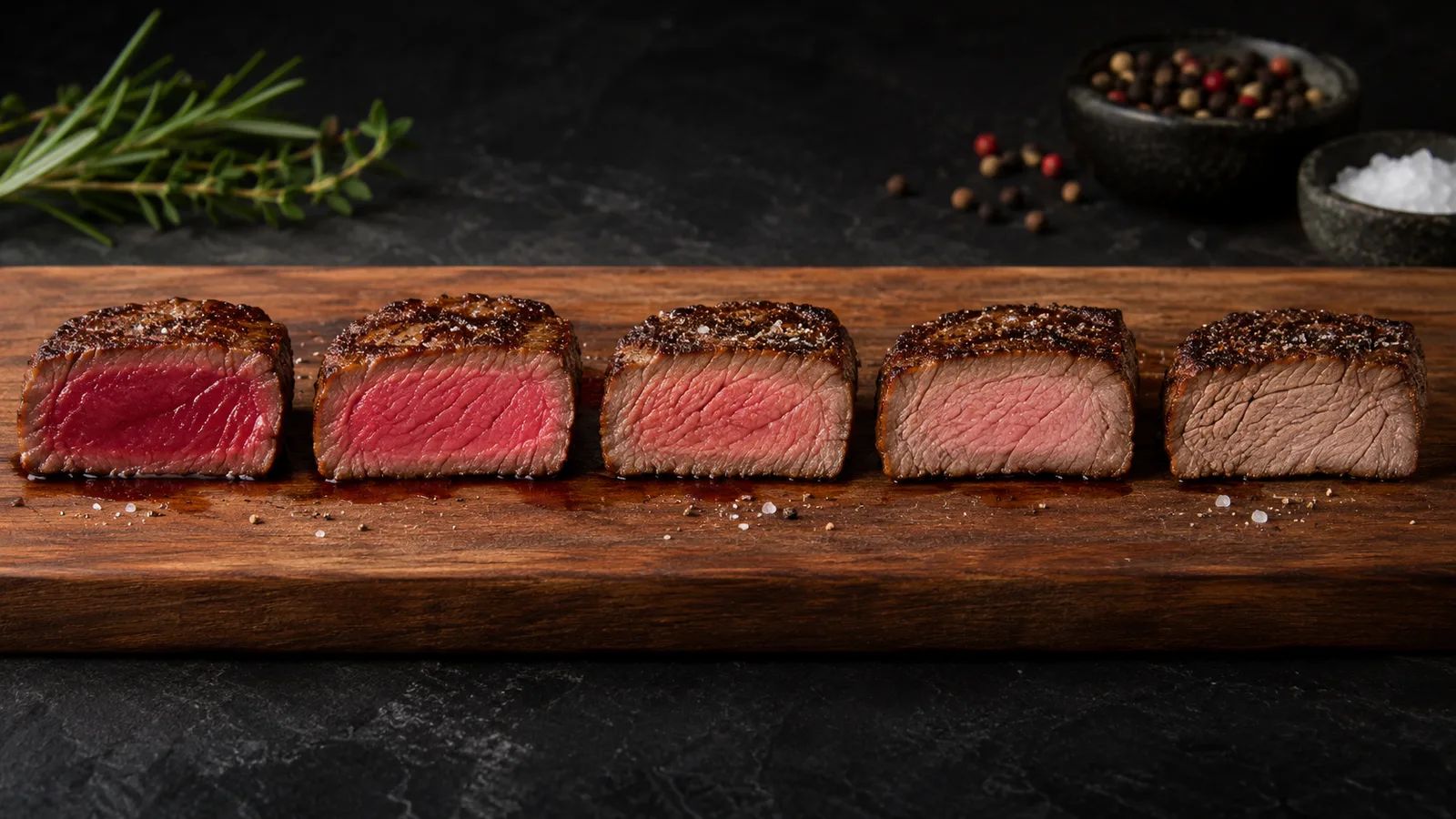
| Rare | 48°C | about 50°C | Deep red, cool-to-warm centre |
| Medium-rare | 52°C | about 55°C | Red-pink, warm centre |
| Medium | 57°C | about 60°C | Pink centre, firmer |
| Medium-well | 62°C | about 65°C | A trace of pink |
| Well done | 68°C | 70°C and above | Brown throughout |
For sirloin we would stop at medium-rare or medium. Because the meat itself carries less marbling than ribeye, there is less fat inside the muscle to keep it juicy, and it tightens noticeably once the centre goes above about 60°C. If you like your steak well done, a fattier cut such as ribeye is more forgiving. Our ribeye vs sirloin guide goes into the differences, and the full chart for every cut is in steak cooking times.
The Food Standards Agency's guidance is that whole cuts of beef such as steaks can be served pink or rare, as long as the outside has been properly cooked.
Resting: why five minutes matters
A steak keeps cooking after it leaves the pan, as heat in the crust travels inwards. On a 2.5cm sirloin the centre usually climbs 2 to 4°C, which is why the table tells you to take it off early. Resting also lets the meat relax, so less juice runs out onto the board when you cut it.
Five minutes is right for a normal sirloin. For thicker steaks, rest for about half the time they spent cooking. Put it on a warm plate or a wire rack. If you cover it, lay foil loosely over the top; wrapping it tightly steams the crust you worked for. Pour the resting juices back over the sliced steak.
Slicing and serving
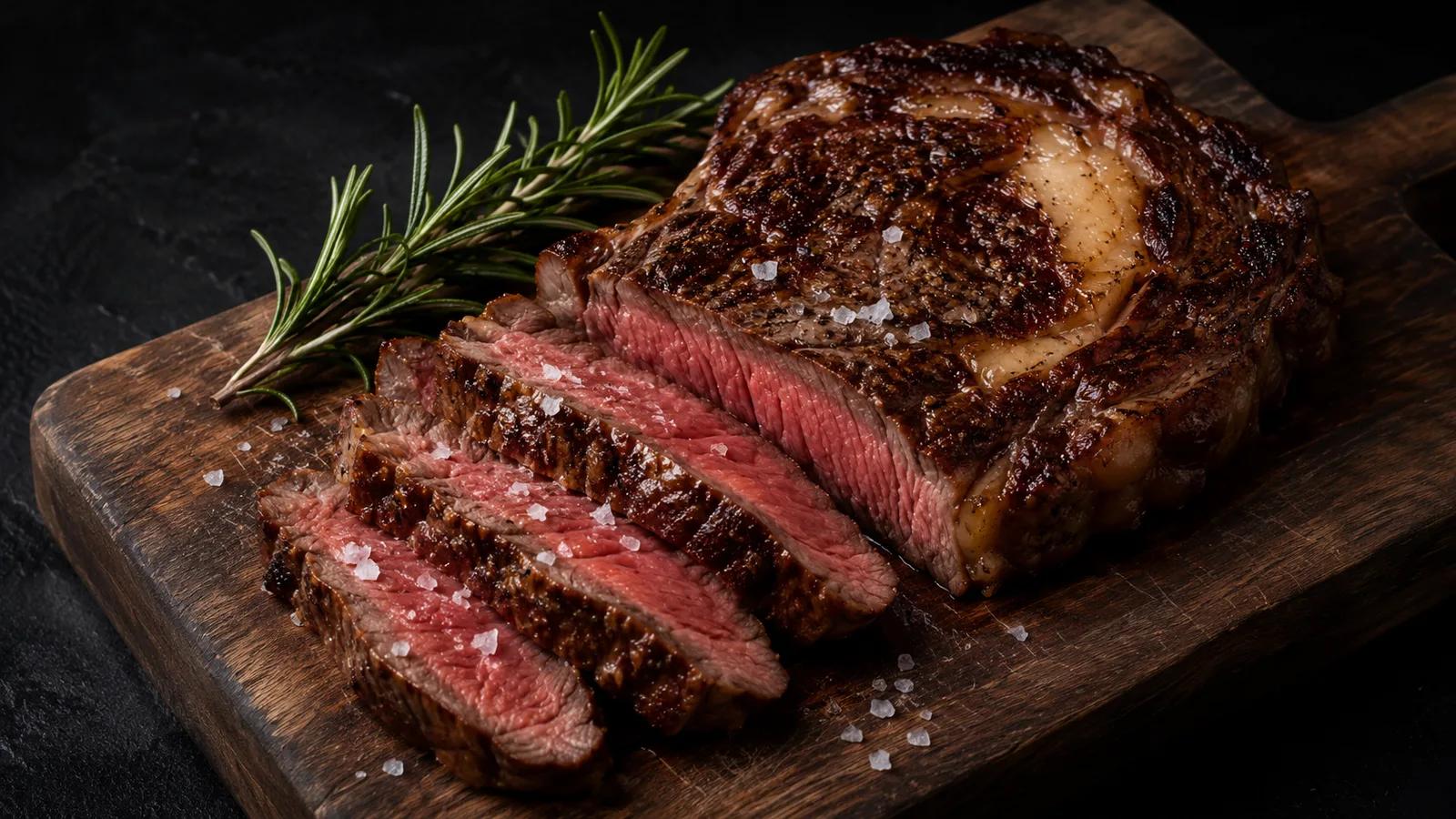
A sirloin steak is already cut across the loin, which is part of why it is tender. Look at the cut surface and you will still see the lines of the muscle fibres, often running at a slight angle. Slice across those lines, into strips about 1cm wide, and every piece eats tender. Slice along them and the same steak chews longer. A pinch of flaky salt on the cut faces finishes it.
Sirloin suits a peppercorn sauce, chimichurri, garlic butter or nothing at all, and makes a very good steak sandwich.
On the grill or barbecue
Same rules. Get the bars or coals very hot, oil the steak rather than the grill, and start fat-side down for a minute to render the edge, watching for flare-ups. Cook to the same core temperatures, then rest.
Choosing your sirloin
Our sirloin steak is hand-cut by us in Wolverhampton at 250 to 300g. Like any sirloin, it is at its best at medium-rare or medium, with the fat strip rendered first.
 Aberdeen Angus Sirloin SteakFrom £14.00
For a special occasion, our USDA Prime sirloin is graded Prime, the most marbled and the scarcest grade in the American system. With that much fat in the meat, cook it in a very hot pan and use less oil, or none.
 USDA Prime Sirloin SteakFrom £25.00
Step by step
Take the chill off
Take the sirloin out of the fridge 20 to 30 minutes before cooking. Pat it completely dry with kitchen paper and snip through the fat strip every 2 to 3cm.
Season
Salt the steak well on both sides just before it goes in the pan, or at least 45 minutes ahead and leave it uncovered in the fridge.
Heat a heavy pan
Heat a cast-iron or heavy-based frying pan over a high heat until it is smoking. Add a thin film of a high-smoke-point oil such as rapeseed or groundnut.
Render the fat strip
Hold the steak upright with tongs, fat-side down, for 1 to 2 minutes until the fat is golden and has melted into the pan.
Sear both sides
Lay the steak flat. For a 2.5cm sirloin cooked medium-rare, give it 2½ to 3 minutes a side. Add a knob of butter, garlic and thyme for the last minute and spoon it over.
Check the core temperature
Push a probe thermometer into the centre from the side. Take the steak off at 52°C for medium-rare or 57°C for medium.
Rest and slice
Rest the steak on a warm plate for 5 minutes, then slice across the lines of the grain into strips about 1cm wide and pour the resting juices over.
Questions and answers
How long do you cook a sirloin steak for medium-rare?
For a sirloin about 2.5cm thick, cook it in a smoking-hot pan for 2½ to 3 minutes a side, after rendering the fat edge for a minute or two. Take it off when the centre reads 52°C on a probe thermometer and rest it for 5 minutes; it will settle at about 55°C. A 2cm steak needs about 2 minutes a side.
What temperature should sirloin steak be inside?
Measured in the thickest part after resting: about 50°C for rare, 55°C for medium-rare, 60°C for medium, 65°C for medium-well and 70°C or more for well done. Take the steak out of the pan 2 to 3 degrees below your target, because it keeps cooking as it rests.
Should you cut the fat off sirloin steak before cooking?
No. Leave the fat on and cook it. Snip through the fat strip every 2 to 3cm so the steak does not curl, then hold the steak fat-side down in the hot pan for 1 to 2 minutes until the fat turns golden. It bastes the meat with its own beef fat. If you do not want to eat it, trim it off on the plate.
How long should sirloin steak rest?
Five minutes is right for a normal 250 to 300g sirloin, or roughly half the time it spent in the pan for thicker steaks. Rest it on a warm plate or a rack, uncovered or with foil laid loosely over it, so the crust stays crisp.
Why is my sirloin steak tough?
Usually one of three things: it was cooked past medium, the pan was not hot enough so the steak stewed instead of searing, or it was sliced thickly along the grain. Sirloin is lean, so it firms up quickly once the centre goes above about 60°C. Cook it to medium-rare or medium and slice across the grain.