On this page
Is beef halal? Yes, it can be. Cattle are among the animals Islam permits Muslims to eat, along with sheep, goats and chicken. But a permitted animal is only half of it. A steak is halal when the animal was slaughtered the halal way, known as zabiha, and the meat was kept apart from anything haram from then on.
So the straight answer to "is steak halal?" is: it can be, but not by default. Most cattle are slaughtered conventionally. In the Food Standards Agency's 2018 survey of England and Wales, only 3.7% of cattle went through religious slaughter of any kind. A steak without a halal certifier behind it should be treated as not halal.
What makes beef halal: zabiha explained
Halal means "permitted". Zabiha (also written dhabiha) is the method of slaughter that makes meat from a permitted animal halal. Certifiers word their standards differently, but for cattle they generally require:
- A living, sound animal. The animal must be alive and free of disease at the moment of slaughter. Meat from an animal that was already dead is not halal.
- A Muslim slaughterman. A trained adult Muslim makes the cut.
- The name of God. The slaughterman says Bismillah, Allahu akbar ("In the name of God, God is greatest") over each animal as it is slaughtered.
- One swift cut. A very sharp knife across the front of the neck, severing the windpipe, the food pipe and the major blood vessels in one movement, without cutting off the head.
- Full bleeding. The blood is drained from the carcass before it is dressed.
- Care for the animal. Calm handling, water before slaughter, and the knife sharpened out of the animal's sight. Many standards also say no animal should watch another being slaughtered.
Hand slaughter, never machine-killed
Hand slaughter means exactly that: each animal is slaughtered individually, by a person, with a knife. The alternative is machine slaughter, where a mechanical blade makes the cut as animals pass along a line. It comes up most with poultry, where lines run fast.
Every animal behind our meat, beef, lamb and chicken alike, is hand-slaughtered. None of it is machine-killed.
After slaughter: keeping it halal
Zabiha makes the carcass halal. Everything after that has to keep it that way. Halal beef must be kept separate from non-halal meat through boning, cutting, packing and storage, and never share equipment with pork. That is why certification covers a whole plant and its procedures, not just the moment of slaughter.
Who certifies halal beef?
"Halal" has no legal definition in the UK, and certification is voluntary. What gives the word on a label its weight is the independent certifier behind it.
Halal certifiers are independent organisations, usually religious bodies. Each sets its own standard, audits the abattoir and cutting plant, often places its own slaughtermen or inspectors on site, and issues certificates naming the plant and the products covered.
How halal is overseen also varies by country, which matters for imported steak:
| Country | How halal is overseen |
|---|---|
| New Zealand | Government halal assurance for exports, certified by approved bodies such as FIANZ and NZIDT |
| Australia | Government AGAHP programme, with certification by approved Islamic organisations |
| Poland | Independent halal certifiers |
| England and Wales | Voluntary, by independent certifiers |
What to ask before you buy halal steak
- Who certifies it? You want a named body, not just the word "halal".
- Does the certificate cover this product? It should name the plant and be in date. A plant certified for some lines is not automatically certified for all of them.
- Was it hand-slaughtered? Ask whether each animal was slaughtered by hand or by machine.
- Who cut it, and where? The chain has to hold all the way to your plate.
How we source our halal steaks
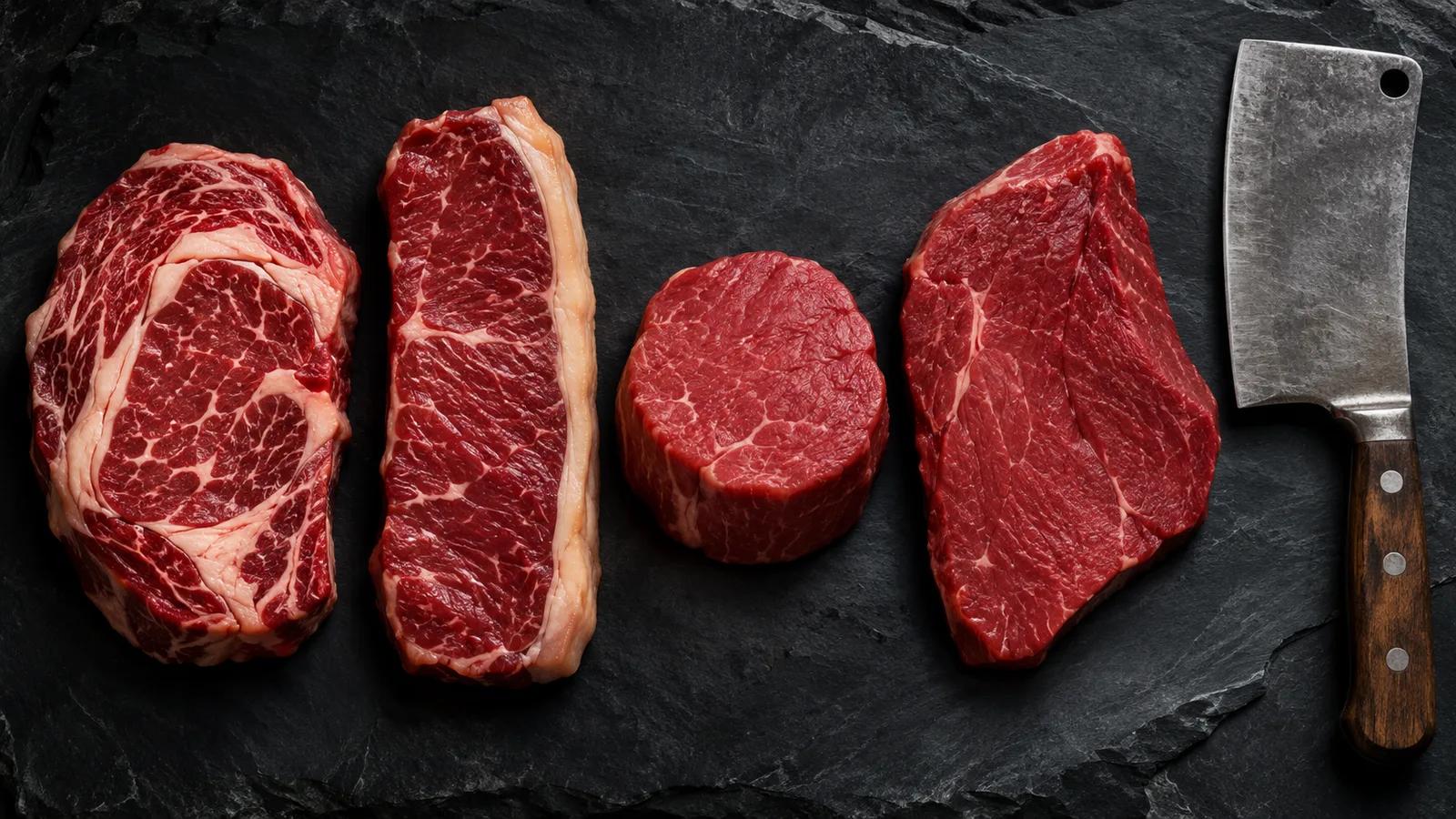
We choose our steaks for how they eat. The breed, the feed and the marbling are what set one steak apart from another. Halal status does not change any of that, and it does not change how you cook them. The cuts of beef guide, what is Angus beef? and grass-fed vs grain-fed beef explain the differences.
Every steak is hand-cut in our shop on Dunstall Road, Wolverhampton. Malik Butchers has been trading since 1970.
Our policy is simple:
- 100% halal. Every line we sell, steaks, lamb, chicken and the rest.
- Hand-slaughtered, never machine-killed. Each animal is slaughtered by hand, the halal way.
- We show the paperwork. We buy from halal-certified suppliers. As each certificate is on file, our halal standards page names the certifier. Until then, ask us for the certificate for any line.
If you have any question about how a product was slaughtered or certified, ask us in the shop or on the phone. We would rather you knew exactly what you are buying.
 Aberdeen Angus Ribeye SteakFrom £14.00
Keeping halal steak halal at home
The steak is halal when it reaches you. A few habits keep it that way in the kitchen:
- Watch the pan sauce. A classic peppercorn sauce is flamed with brandy, and many steak sauces use red wine. Deglaze with halal beef stock instead, then finish with cream and crushed black peppercorns.
- Check stock cubes and gravy. Beef stock and gravy products are not always made from halal beef. Look for a halal mark.
- Mind the shared grill. At a mixed barbecue, cook on a clean grill or a separate tray, and keep your own tongs.
- Cook it how you like it. Halal steak can be eaten at any doneness. Take a ribeye off at about 52°C in the centre for medium-rare and it climbs a few degrees as it rests. Our steak cooking times guide has the full chart, and how to cook ribeye steak walks through the method.
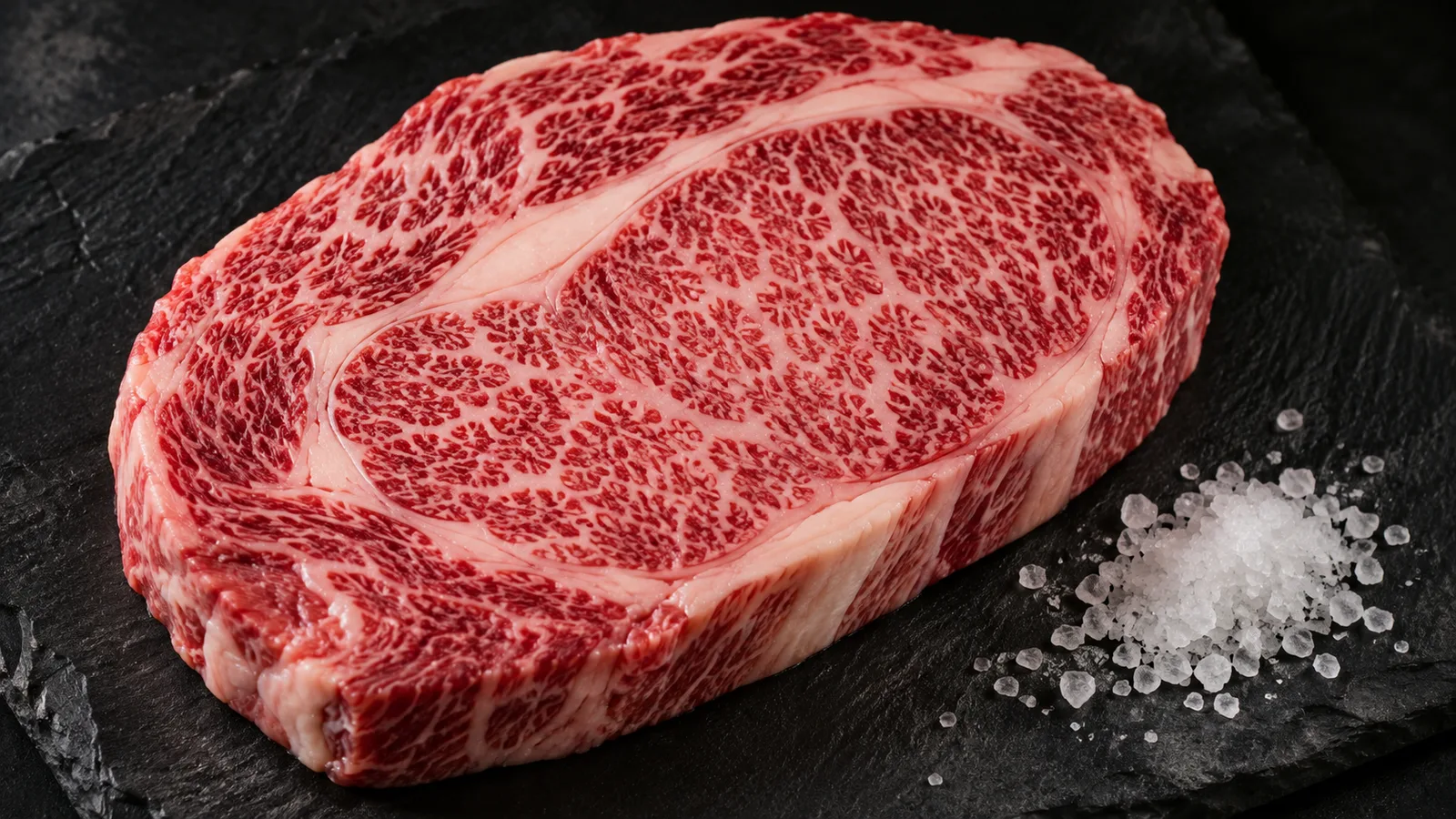
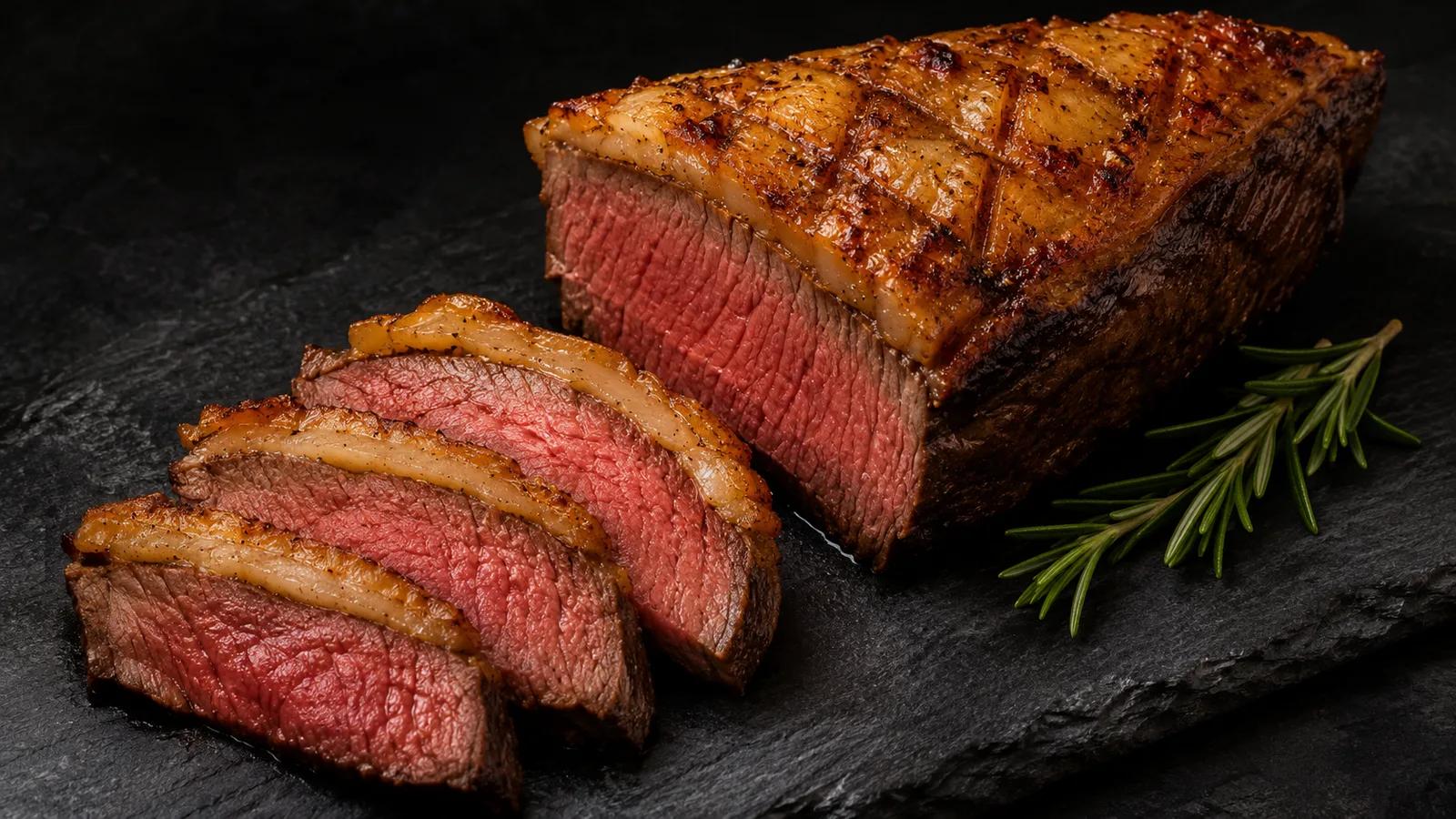
Halal comes down to slaughter and certification, not breed or cut, so even Wagyu can be halal. See what is Wagyu? and our Wagyu ribeye steak. For a cut that is rarely sold on its own in Britain, read what is picanha?
Questions and answers
Is beef halal?
Beef comes from cattle, which Islam permits Muslims to eat, so beef can be halal. It is only halal if the animal was slaughtered according to Islamic rules (zabiha) and the meat was then kept apart from anything haram. Beef from conventional slaughter is not halal, whatever the cut.
Is steak halal?
Only if it comes from a halal-slaughtered animal. Most cattle are not slaughtered as halal: in the Food Standards Agency's 2018 survey of England and Wales, just 3.7% of cattle went through any religious slaughter. Look for a named halal certifier on the label or ask the seller for the certificate.
What does hand-slaughtered halal mean?
Each animal is slaughtered individually, by hand, by a trained Muslim slaughterman who says the name of God over it, with one swift cut of a sharp knife. It is the opposite of machine slaughter, where a mechanical blade does the cutting.
Is a rare steak halal if it looks bloody?
Yes, if the steak itself is halal. Halal slaughter drains the blood from the carcass. The red juice in a rare steak is mostly water coloured by myoglobin, the protein that holds oxygen in muscle, not blood. Many scholars explain the prohibition as applying to blood that flows out at slaughter, not the trace left in properly bled meat.
How is Malik Butchers' meat slaughtered?
By hand, the halal way. All our meat is 100% halal: hand-slaughtered, never machine-killed, from halal-certified suppliers. Ask us for the certificate for any line.